 Competition coffee
 Subscription


Coffee Fermentation and Drying Methods
Coffee processing, from harvesting the cherries to producing Whole Beans for roasting, relies on two crucial steps: fermentation and drying. These processes largely determine the cup profile, influencing the coffee’s flavor, aroma, and quality.
Fermentation: a delicate process
Fermentation is the first step in coffee processing. The fruit of the coffee tree, known as a cherry, consists of a husk, pulp (mucilage), a parchment layer that protects the seed (the coffee bean), and a skin. The fermentation process aims to remove the mucilage surrounding the parchment. Precise control of this step is essential to prevent the development of off-flavors such as notes of potato, onion, or rot. The choice of fermentation method directly influences the coffee’s flavor profile.
Fermentation and drying methods
The natural method (dry method)
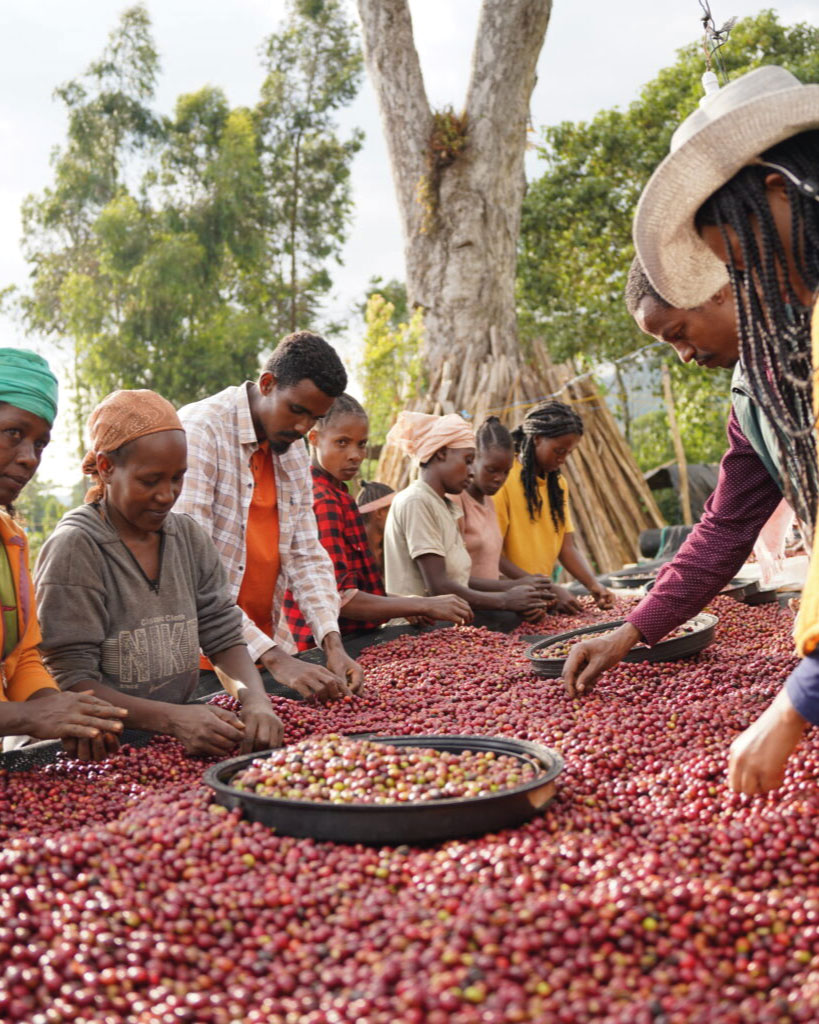
In the natural process, as soon as they arrive at the farm or cooperative, the whole cherries are spread out on concrete or tiled patios—or, ideally, on African beds—to dry in the sun for several days. During the drying process, damaged or imperfect cherries are sorted out. The coffee is then left to rest in its parchment before undergoing final sorting.
Consistent fermentation requires great precision: the right drying time, perfect aeration, a single layer of cherries, regular stirring, and covering the Whole Beans . Traditionally associated with low-quality coffees, this method is now prized for its results, which combine strength, richness, and character.
The "Honey Process" or "Pulped Natural"
The Honey Process is a method that falls between the dry and washed processes. Coffee farmers depulp the cherries, leaving a variable amount of mucilage on the parchment, and then place them directly on drying beds. Depending on the amount of pulp left on the beans, there are several types of Honey Process:
- Black Honey: We leave almost all the pulp in.
- Red Honey: 50% to 90% pulp.
- Yellow Honey: 50–75% pulp.
- White Honey: 10–20% pulp.
Retaining the mucilage enhances the coffee's smoothness and sweetness. The less mucilage remains, the more the coffee gains in finesse and acidity.
The washed method (wet process)
In the washed process, the coffee cherries are submerged in water tanks. Whole Beans that float to the surface are removed, while the rest are pulped. The Whole Beans are then placed in fermentation tanks for 24 to 38 hours. The water controls the fermentation temperature and reduces the caffeine content. Finally, producers dry the parchment coffee in the sun, using a process similar to the dry method.
This method requires specialized equipment and a lot of water, but it brings out the full purity and finesse of the finest Arabica beans, particularly those from Latin America.
Profile: The cup profile emphasizes purity and precision, with fruit notes that are less full-bodied but more refined.
Double washing
Also known as the “Kenyan method,” double washing involves submerging the Whole Beans tanks of clean water after fermentation. This additional step enhances the coffee’s purity and acidity and is starting to gain popularity in Central America.
Profile: A cup of great purity with a dominant acidity.
Semi-washed coffee
Similar to the washed process, this method omits the soaking stage in fermentation tanks. After hulling, the Whole Beans dried directly in the sun, sometimes supplemented by oven drying. This technique uses less water and space and requires less expensive infrastructure.
Profile: There is a slight loss of purity in favor of body, but the cup remains very clean and elegant.
Emerging methods
Anaerobic fermentation
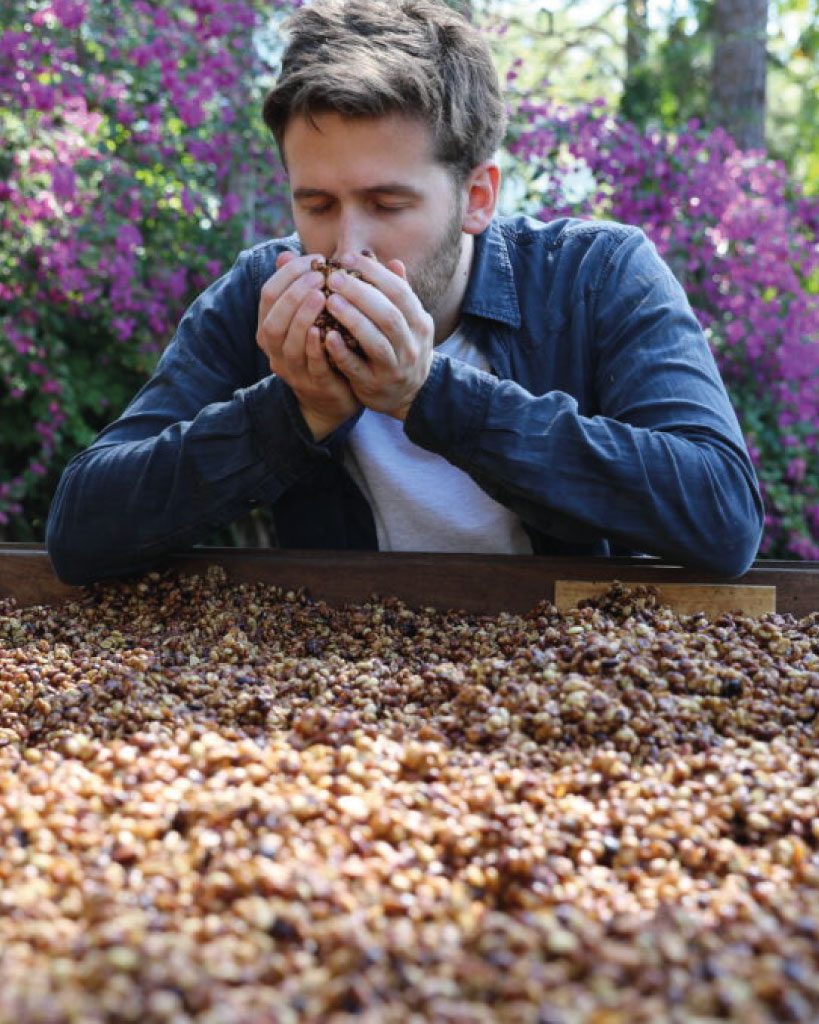
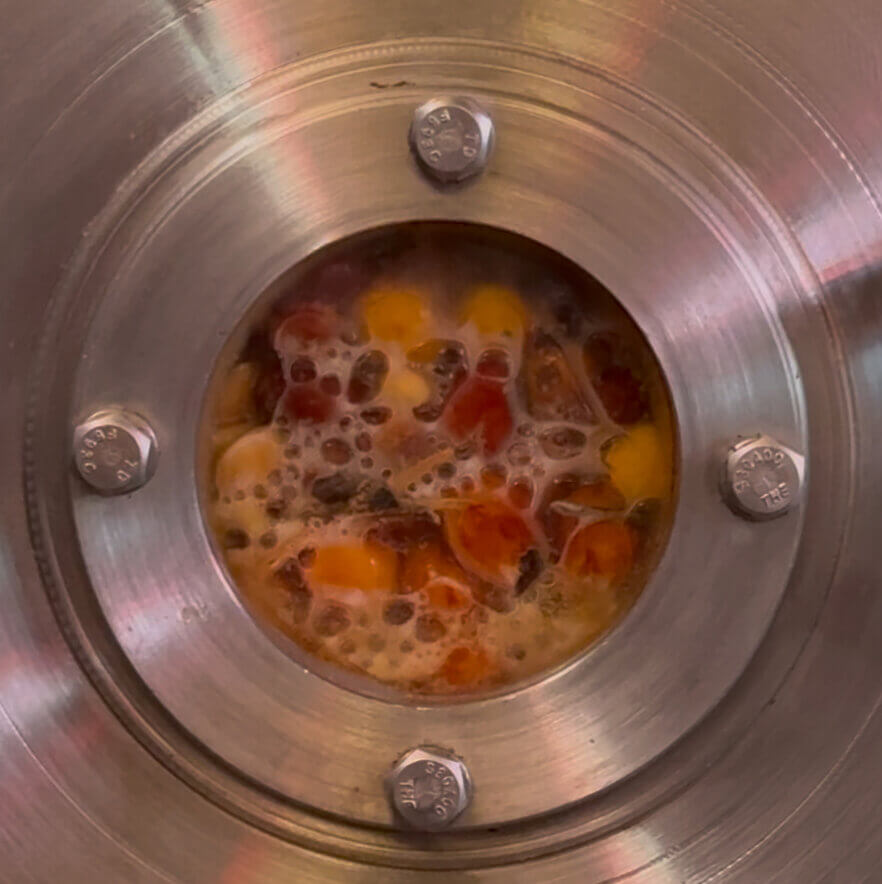
Anaerobic fermentation is an emerging method in which coffee cherries ferment in tanks without oxygen. This process intensifies the coffee’s tropical, spicy, and sometimes even “funky” notes. This technique requires precise control to avoid defects and ensure consistent quality.
Carbonic maceration
Borrowed from the world of winemaking, carbonic maceration involves fermenting whole cherries in an environment rich in carbon dioxide. This method produces exotic and complex flavor profiles, offering a unique experience for coffee lovers.
The Importance of Drying
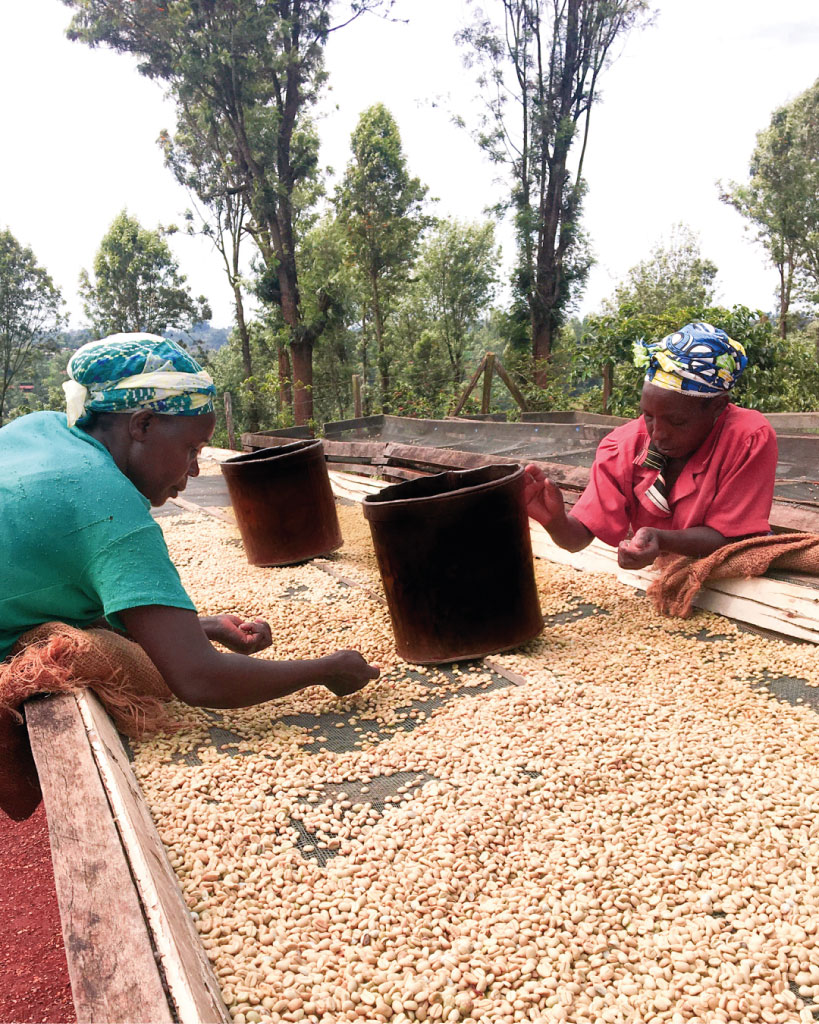
Drying is a crucial step that follows fermentation. It reduces the moisture content of Whole Beans, making them easier to store and preventing the growth of mold. Drying methods vary depending on local traditions, climatic conditions, and available infrastructure.
Drying on African beds
African beds are raised structures that allow for optimal air circulation around the Whole Beans, ensuring uniform and controlled drying.
Sources