 Competition coffee
 Subscription


The Art of Latte Art: When Coffee Becomes a Canvas

Who hasn’t been amazed by a cup of coffee adorned with a beautiful milk foam design? Latte art is the technique that transforms a simple drink into a fleeting work of art. It’s the perfect blend of skill, patience, and creativity. In this article, we’ll take you on a journey to discover this fascinating art form, from its origins to the secrets behind creating it!
A bit of history: Where did latte art come from?
Latte art has its roots in Italy, the coffee capital of the world. But it was in the 1980s that this technique began to gain popularity, largely thanks to an American barista named David Schomer. A coffee enthusiast, he perfected the art of pouring milk to create increasingly precise and aesthetically pleasing designs. Since then, latte art has taken the coffee world by storm, becoming a staple in the barista community. Italian barista Luigi Lupi has also played a key role in its spread through his instructional videos.
The Basics of Latte Art: What You Need to Know
The Basics of Latte Art: What You Need to Know
Creating great latte art takes a little practice, but with a few tips and some practice, anyone can do it! Here are the key steps:
- A good espresso : The foundation of latte art is a well-extracted espresso with a smooth crema (that thin, golden layer that forms on the surface of the coffee).
- Perfect milk foam: The foam should be fine, creamy, and free of bubbles. The milk should be heated to between 55 and 65°C to achieve the right texture.
- The right pouring technique: It’s the barista’s technique that creates the patterns. Pour the milk slowly, adjusting the height and wrist movements. First, pour the milk from a height to mix it in, then lower the pitcher to create the design.
Classic latte art designs
Some designs are iconic in latte art and represent the first steps in a barista’s training. Here are the most well-known ones:
- The heart: Simple and effective, it is often the first pattern beginners learn.
- The Rosetta: A pretty fern-leaf-shaped pattern that requires good control when pouring.
- The Tulip: This more complex technique involves layering several layers of milk foam.
- The Swan: Reserved for experts, it requires extreme precision to create the swan's neck and head.
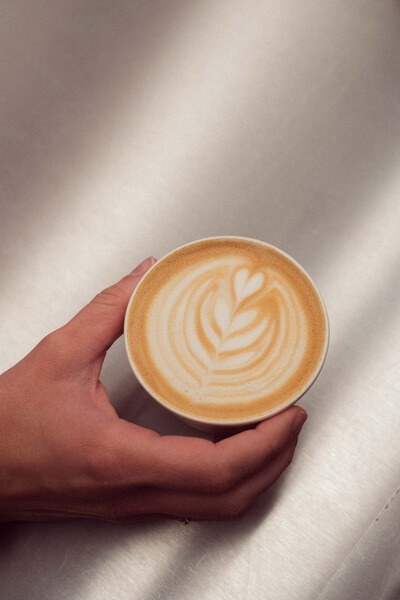
A few tips for improving your latte art
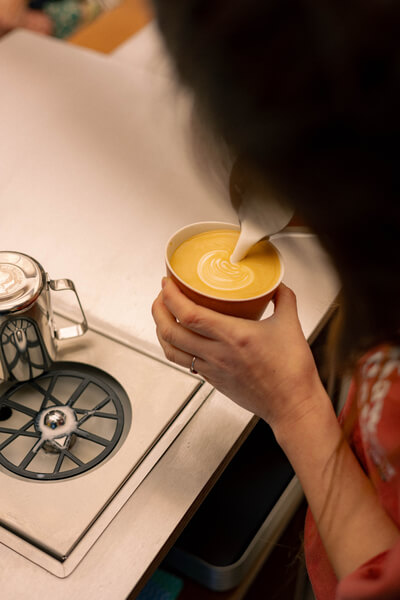
- Use whole milk: It contains more fat and protein, which makes it easier to create a creamy foam.
- Position the pitcher correctly: Start pouring from a height to mix the milk and espresso, then bring the pitcher closer to the cup to create the design.
- Practice regularly: Like any art, practice is the key to success!
Latte art today: a trend that’s still going strong
With the rise of social media, latte art has become a true phenomenon. Instagram is full of impressive creations, ranging from 3D designs to portraits created with incredible precision. Some baristas have made it their specialty and compete in international latte art competitions.
So, grab your cups and pitchers! With a little patience and practice, you’ll soon be able to impress your friends with cappuccinos worthy of the best coffee shops.
Our sources for this article