 Competition coffee
 Subscription

The Average Price of Coffee in France in 2025: Trends and Market Developments
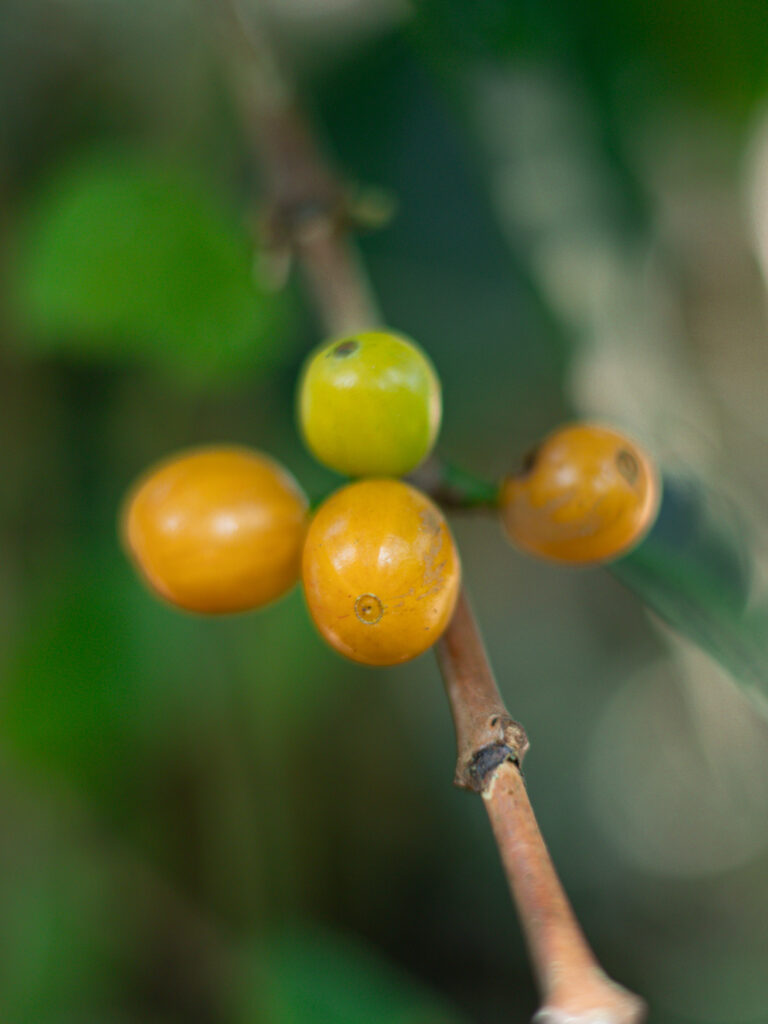
Jairo Arcila [Red Fruits]
Jairo Arcila is a third-generation coffee producer from Quindío, Colombia. He has begun to make his mark on the coffee industry with innovative fermentation methods. As the patriarch of the Arcila family, he is the father of Felipe and Carlos Arcila, the owners of Cofinet, as well as family farms such as Jardines del Eden. He currently owns five other farms: Villarazo, Mazatlan, Santa Monica, Maracay, and Buenos Aires. Each of these family-owned properties contributes to the Arcila coffee legacy.
Let’s dive into Jairo’s story, his farming and fermentation techniques, and discover what makes his coffees so exceptional through his [Red Fruits] lot.
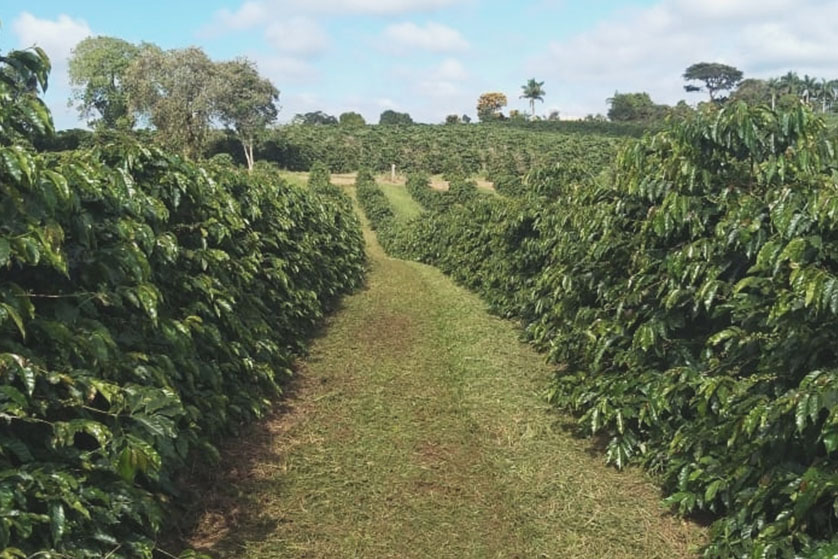
The Quindío region in Colombia is one of the country’s most important coffee-growing areas. Its ideal climate—characterized by moderate temperatures, high altitude, and adequate rainfall—is conducive to coffee cultivation. Quindío coffees are renowned for their complex flavor profiles, balanced acidity, and distinctive aromas.
The lot we’re discussing, Jairo Arcila [Red Fruits], comes from the Santa Monica farm, Jairo’s largest property at 50 hectares. Santa Monica grows Castillo, Caturra, Gesha, Pink Bourbon, Tabi, Papayo, and Red Bourbon, as well as various fruits and vegetables, creating a diverse ecosystem.
In Pursuit of Excellence
For several years now, Jairo Arcila has been pioneering new approaches to coffee fermentation. He incorporates wine yeast and dried fruits into the process. For our batch, the coffee undergoes a 72-hour dry anaerobic fermentation with the addition of ripe red fruits such as pomegranate, cherry, and strawberry. Combined with wine yeast, this creates a unique aromatic complexity. The pulped cherries rest on raised beds with the fruit until the ideal moisture content is reached. The result is an exceptional micro-lot, composed entirely of the Castillo variety.
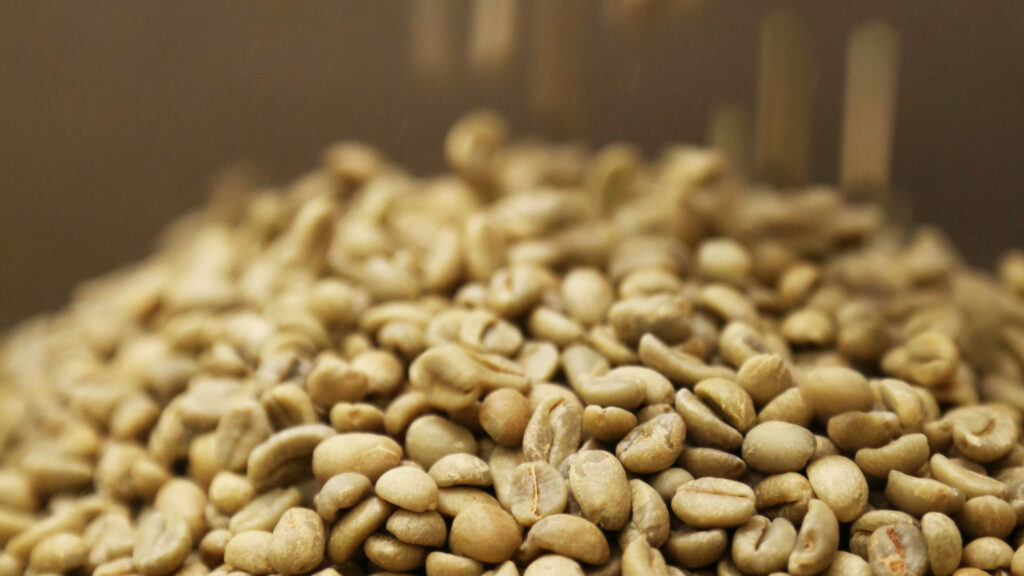
The fermentation process using wine yeast is a true fusion of tradition and science. The introduction of Saccharomyces cerevisiae strains, commonly used in winemaking and brewing, triggers a series of complex biochemical reactions. The yeast metabolizes the sugars Whole Beans green Whole Beans , producing alcohol and carbon dioxide. These transformations influence the biochemical changes in the Whole Beans.
The enzymes naturally present in green Whole Beans come into play during fermentation, breaking down complex compounds. The interaction between the yeast, enzymes, and compounds in Whole Beans new flavor compounds, contributing to a unique flavor profile. Fruity and floral notes, and even wine-like nuances, can emerge, which also influence the coffee’s overall acidity.
Redefining the sensory experience
By combining expertise passed down through generations with innovative fermentation methods, Jairo Arcila crafts exceptional coffees. His Santa Monica farm and other family-owned properties are living examples of Quindío’s rich coffee heritage.
The result is a unique sensory experience for our [Red Fruits] blend, which reveals sweet and tangy notes of raspberry, strawberry, and blackberry in the cup.
Jairo Arcila’s approach may be seen as disconcerting, or even objectionable, by coffee purists. They believe that infused coffees or those made with added yeast are compromised and lack overall transparency. We aim to challenge these preconceptions and promote innovation in the world of specialty coffee. For us, infused coffees offer a fascinating gateway to the world of specialty coffee. They have the advantage of clearly revealing specific flavors. Infused coffees allow consumers to better appreciate the nuances of flavor that emerge in the cup.
At Tanat, our goal is to showcase specialty coffees, carefully harvested by passionate professionals with a deep respect for both the environment and the coffee itself. These coffees enrich the coffee scene for novices and connoisseurs alike. They capture the essence of an ever-evolving movement, which we are proud to share with you.