 Competition coffee
 Subscription

Coffee Fermentation: Co-fermentation, Inoculation, and Carbonic Maceration—A Revolution or Just a Trend?

The world of specialty coffee is constantly changing. In recent years, fermentation methods have taken center stage in the industry’s evolution, raising many questions.
Long dominated by traditional processes such as natural, washed, or honey fermentation, the industry has seen the emergence of innovative approaches such as anaerobic fermentation, carbonic maceration, co-fermentation, and inoculation. These techniques allow producers to explore new flavor profiles, but raise questions about their long-term impact. Are they a sustainable evolution of specialty coffee or just a passing trend?
Why is fermentation essential in coffee?
Fermentation is a key step in the post-harvest processing of coffee cherries. Rather than asking whether a coffee is fermented, the real question is: to what extent and with what level of control?
This natural phenomenon occurs when microorganisms (yeasts, bacteria) break down the sugars and other organic compounds in the cherry pulp into alcohol and acids. This process alters the chemical structure of Whole Beans, directly influencing the aromas and flavor profile in the cup. Traditionally used to remove the mucilage surrounding the bean, fermentation is now seen as a strategic tool for enhancing and refining the coffee’s flavor.
Modern coffee roasting techniques
Co-fermentation: an explosion of flavors
Co-fermentation is one of the most popular techniques. It involves adding external ingredients (fruit, spices, flowers) during fermentation to create unique flavor profiles. This approach enhances coffees that were initially considered standard by giving them distinctive flavor notes.
For example, the coffees from the Uba farm in Colombia, with which we have been working for several years, are a perfect example of this technique: co-fermentation allows them to develop intense notes of tropical fruit and spices.
Inoculation: Controlled Fermentation
Inspired by winemaking, inoculation involves adding selected yeasts and bacteria to control fermentation. This method reduces the risks associated with spontaneous fermentation and ensures greater batch-to-batch consistency.
The main advantage of inoculation is that it ensures consistent coffee quality by minimizing unwanted variations. Like co-fermentation, it produces precise, pronounced aromas with flavor profiles developed through scientific methods.
Carbonic maceration: when wine inspires coffee
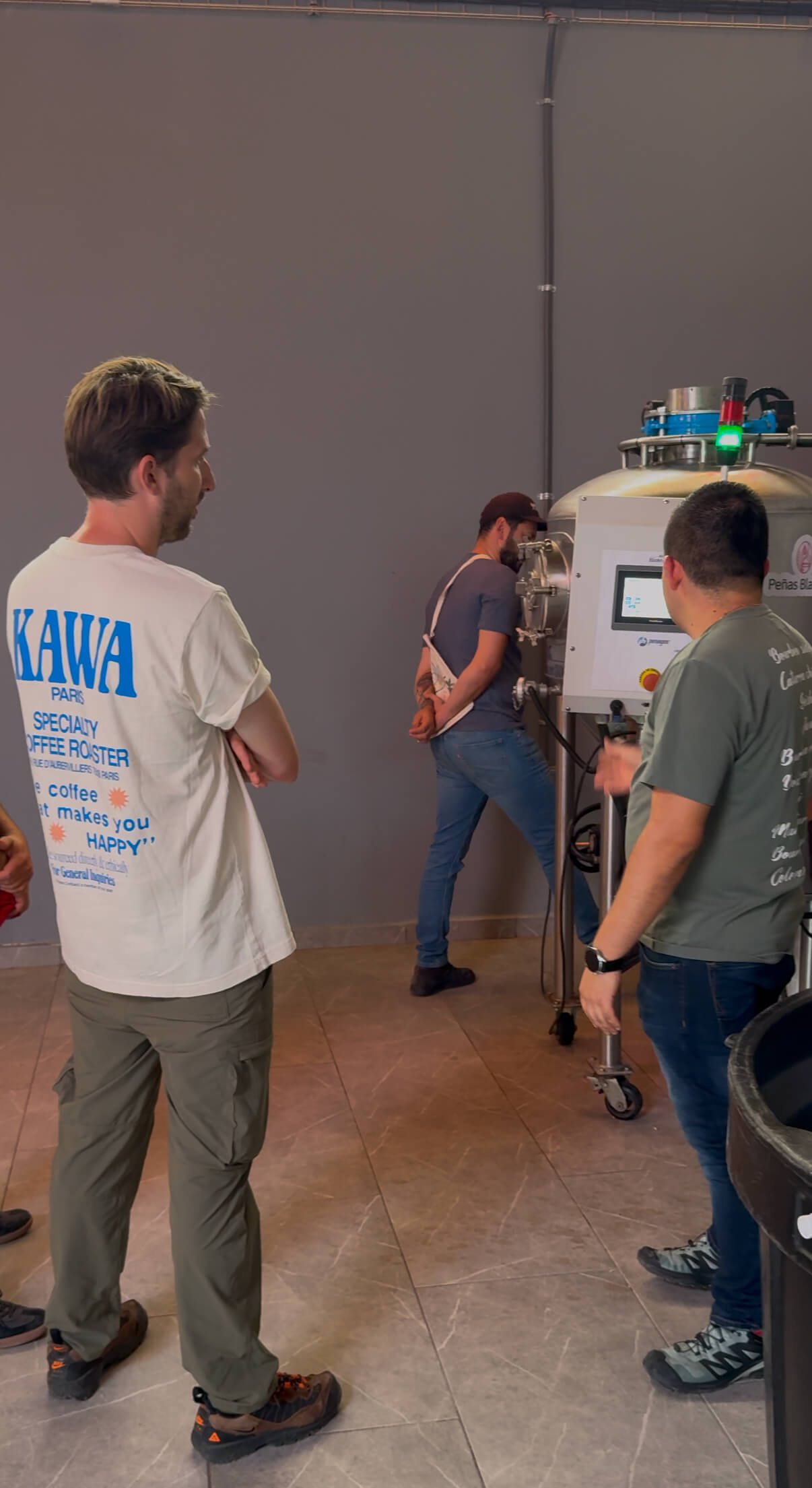
Borrowed directly from the world of winemaking, carbonic maceration involves placing coffee cherries in airtight tanks saturated with carbon dioxide. This process slows fermentation and promotes internal enzymatic reactions, producing coffees with complex aromas and silky textures.
This more technical method is gaining popularity among both coffee enthusiasts and professionals alike because of the rich flavor profile it offers. It often brings out floral and fruity notes, resulting in a rounder, smoother mouthfeel. Discover our coffees here.
The challenges and limitations of these fermentation processes
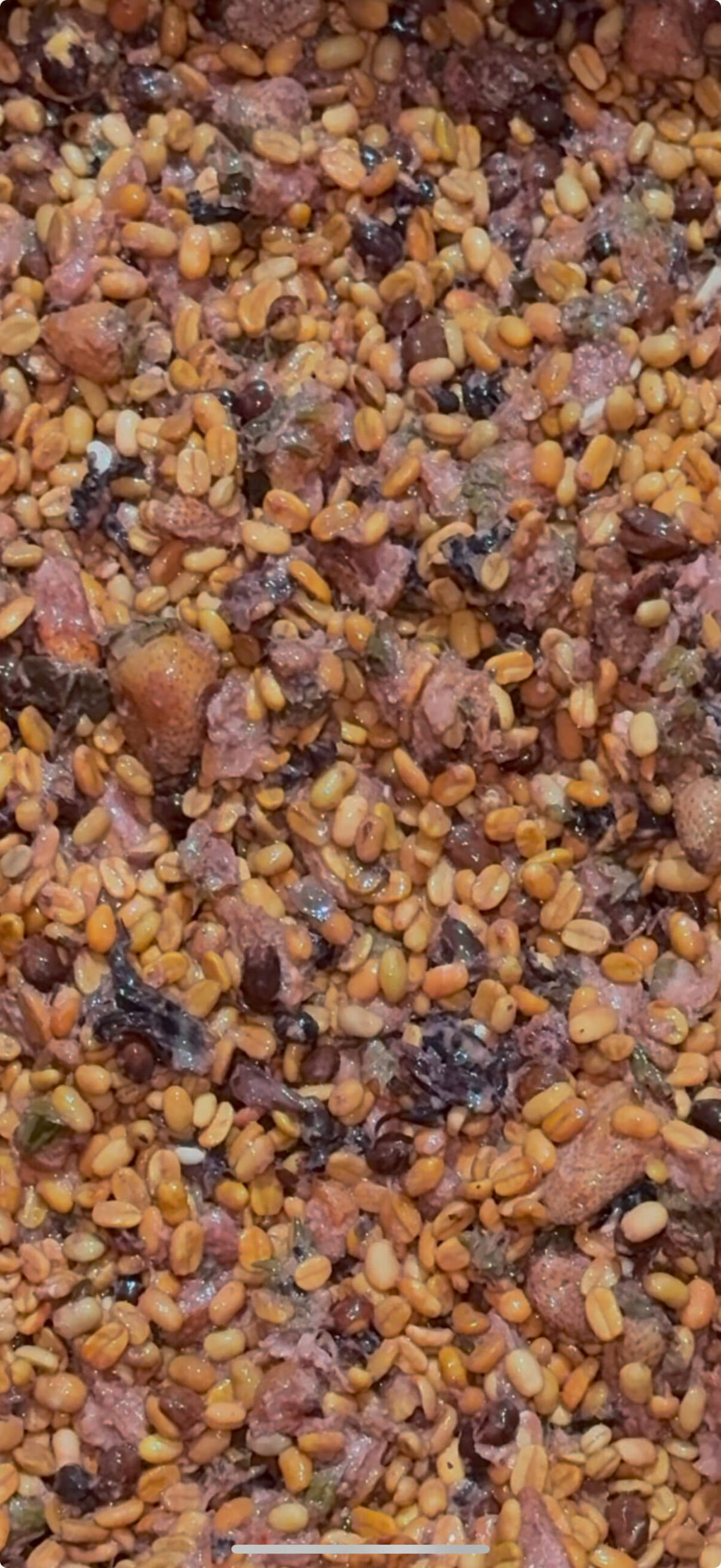
While these new methods open up fascinating possibilities, they also spark debate. Some experts fear that they may undermine the importance of terroir and producers’ traditional expertise.
A high cost
The implementation of these techniques represents a significant investment. The installation of bioreactors and the use of specialized cultures increase production costs by an average of €0.71 per kilogram compared to conventional methods. For a complete infrastructure, the investment can reach approximately €1.34 million.
A lack of regulation
These new processing methods suffer from a lack of standardization. There are few clear regulations regarding the traceability and classification of these coffees. Furthermore, some people are concerned about potential health risks, particularly regarding allergic reactions linked to the agents used.
Conclusion
The rise of co-fermentation, inoculation, and carbonic maceration marks an exciting new chapter in the world of specialty coffee. These techniques offer unique flavor profiles, elevating coffee to a level of sophistication comparable to that of wine.
However, they also raise the question of the product’s authenticity: should they be viewed as a natural evolution of coffee or as an artificial transformation?
Have you ever tried a coffee made using these innovative fermentation methods? Most of the coffees we have in stock can be found in the “funky” section of our website.