 Competition coffee
 Subscription

How do you make a good espresso at home?
Espresso is probably the first thing that comes to mind when you hear the word “coffee.” While it may seem simple at first glance, making it actually requires precise and skilled technique. Making a quality espresso at home isn’t easy: it’s the result of striking a balance between several factors. Discover how to master the art of making espresso so you can enjoy a cup worthy of the best baristas—all from the comfort of your own home!
The fundamental principle: pressure
The essence of espresso lies in one word: pressure. It must be between 8 and 9 bars to properly extract your freshly roasted coffee. This technique produces a unique result in terms of smoothness that no other brewing method can match.
However, this technique is highly sensitive to variations. A skilled barista—or a knowledgeable coffee enthusiast—must provide the machine with the optimal resistance to extract a high-quality cup of coffee. They fine-tune the balance by adjusting the Grind Type size, the amount Grind Type coffee Grind Type, and the tamping pressure, ensuring that the pressurized water penetrates the “coffee puck” in the Filter evenly.
Essential equipment
To make a high-quality espresso at home, several pieces of equipment are essential:
The espresso machine
This is the main investment and, in our view, the most important one. Home espresso machines come with different features depending on the model: machines with built-in grinders, dual-boiler machines, machines with digital displays and programmable functions… We recommend doing thorough research before making your choice.
The tamper and its mat
The tamper is a heavy tool with a diameter that matches that of yourFilter, featuring a flat or concave base. It allows you to apply even pressure to the Grind Type. A tamper mat is essential for protecting yourFilter
The Grinder for Achieving the Right Grind Type
Some espresso machines come with a built-in grinder, but you can also opt for a separateGrinder . Since the Grind Type size Grind Type espresso is very fine, we strongly advise against using a Grinder !
If you have limited space in your kitchen or a tight budget, specialty coffee roasters can grind your coffee to suit your brewing preferences.
The Grind Type one of the most important factors in making a good espresso. There are several signs that can help you determine if your Grind Type correct: when you hold it between two fingers, it should start to clump together.
The coffee scale
Precision is essential for a perfect espresso. Coffee scales are designed to weigh with an accuracy of 0.1 grams, ensuring consistency and precision. Some high-end models offer smart features such as smartphone connectivity, different brewing modes, and step-by-step guides.
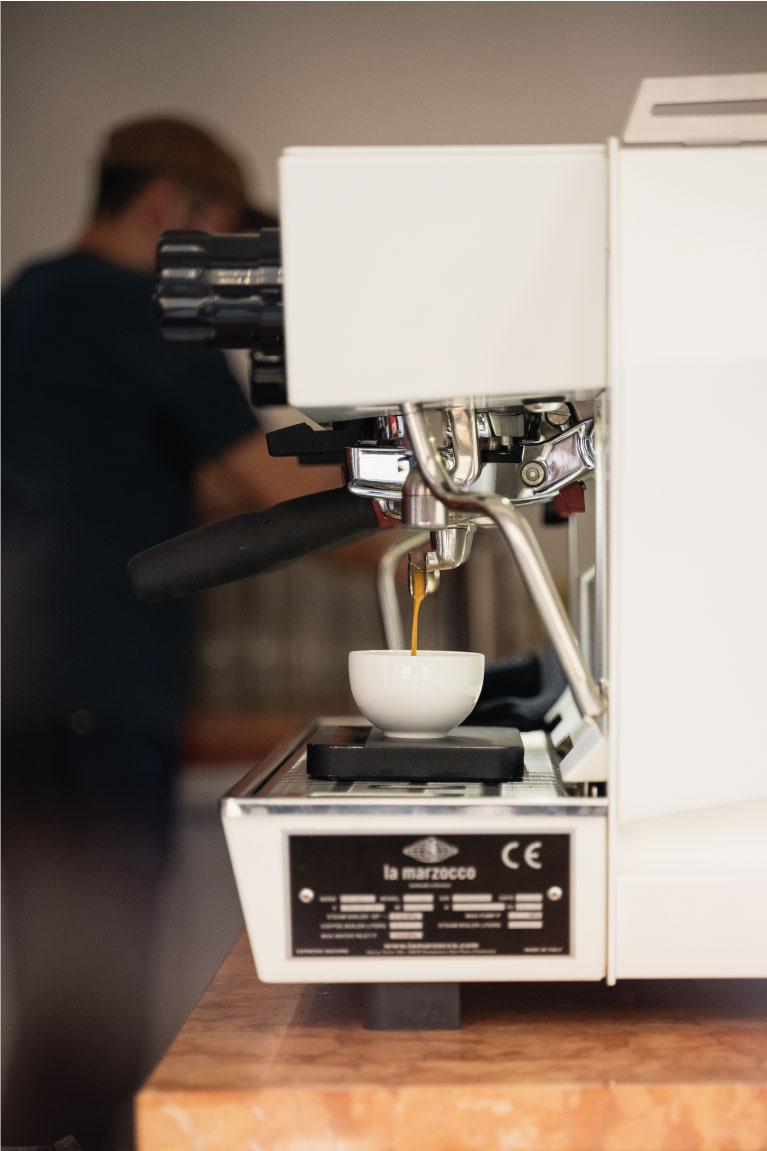
The basic method for making a perfect espresso
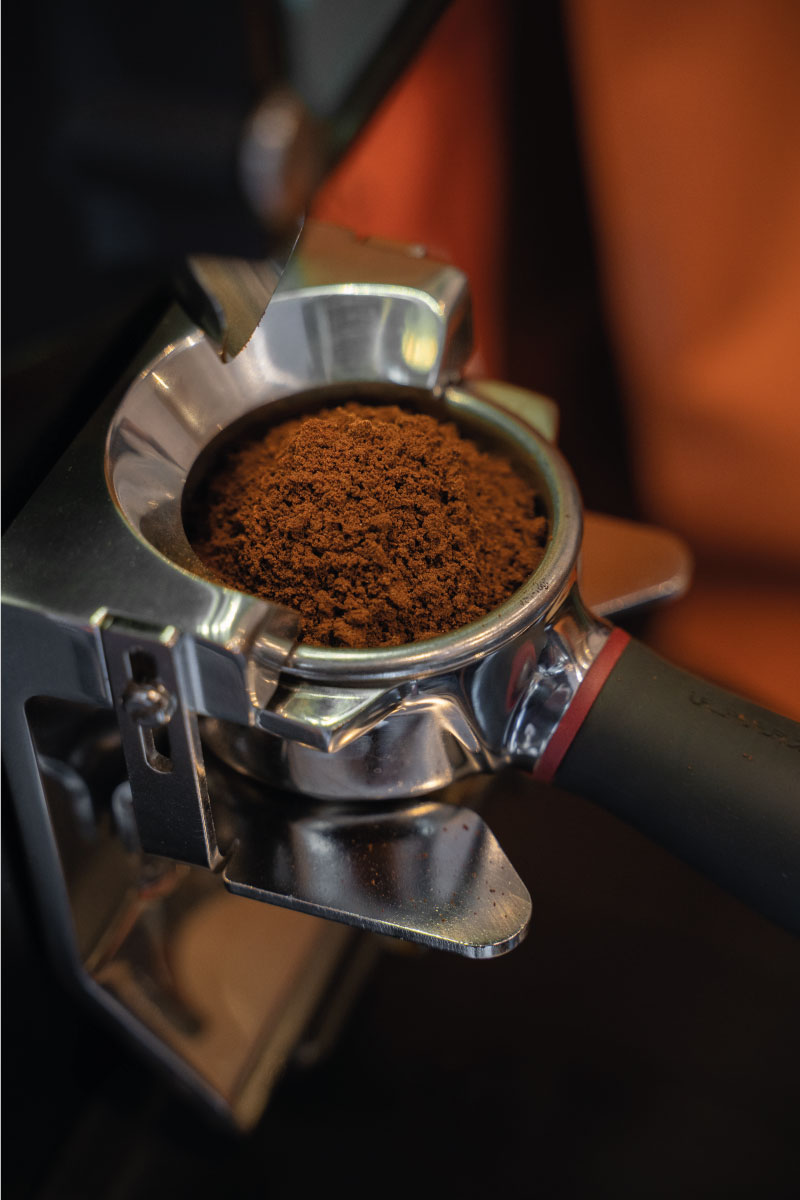
To make a perfect espresso, the general ratio between the amount of coffee (in grams) and the weight of the resulting beverage is 1 to 2. For example, 18 grams of ground coffee yields 36 grams of espresso. Ideally, this should take between 25 and 30 seconds. Of course, these parameters may vary from one coffee to another, and depending on your personal taste.
Preparing the equipment
- Choose the right water and high-quality, freshly roasted coffee.
- Set the water temperature between 90 and 95 °C, depending on the type of coffee you are using.
- Check the machine's pressure (ideally between 8 and 9 bars).
- Use 10 g of coffee for a single espresso, or 18 g for a double.
- Distribute the ground coffee evenly in theFilter.
Tamping with a tamper
This is a crucial step, which involves tamping your Grind Type applying a certain amount of pressure. Although there are now machines available to automate this step, it is still very often done by hand. The fundamental rule is to distribute the Grind Type the Filter. Otherwise, even with proper tamping, channels will form (the infamous “channeling”) and compromise your extraction.
Extraction
- Drain the machine's unit.
- Engage theFilter start the extraction.
- Extraction should take between 25 and 30 seconds.
- The coffee should flow steadily in a thin, continuous stream, like a “mouse’s tail.”
- Check that the amount of beverage is correct when it’s ready, based on the amount of ground coffee you used.
- Enjoy.
If your brew time is too short (less than 20 seconds), your coffee will taste sour and lack body. Use a Grind Type coarser Grind Type .
If it takes too long (more than 30 seconds), your espresso is likely to taste bitter. Adjust the Grind Type.
Serving and Enjoying Your Espresso
The temperature of the cups
Cups should be warm, especially at the bottom, to retain heat and ensure thermal inertia. Many espresso machines have a cup warmer on top.
How to serve your espresso
When serving your espresso, choose a suitable cup—ideally a small cup designed specifically for espresso.
You can enjoy your espresso with a small glass of still or sparkling water, as is the tradition in Italy. Sparkling water helps cleanse the palate, and its bubbles stimulate your taste buds.
How should you enjoy an espresso?
Contrary to what you might think, espresso isn’t a drink meant to be gulped down in one go. It’s a short drink, but one that should be savored. Your espresso should be enjoyed in a few sips.
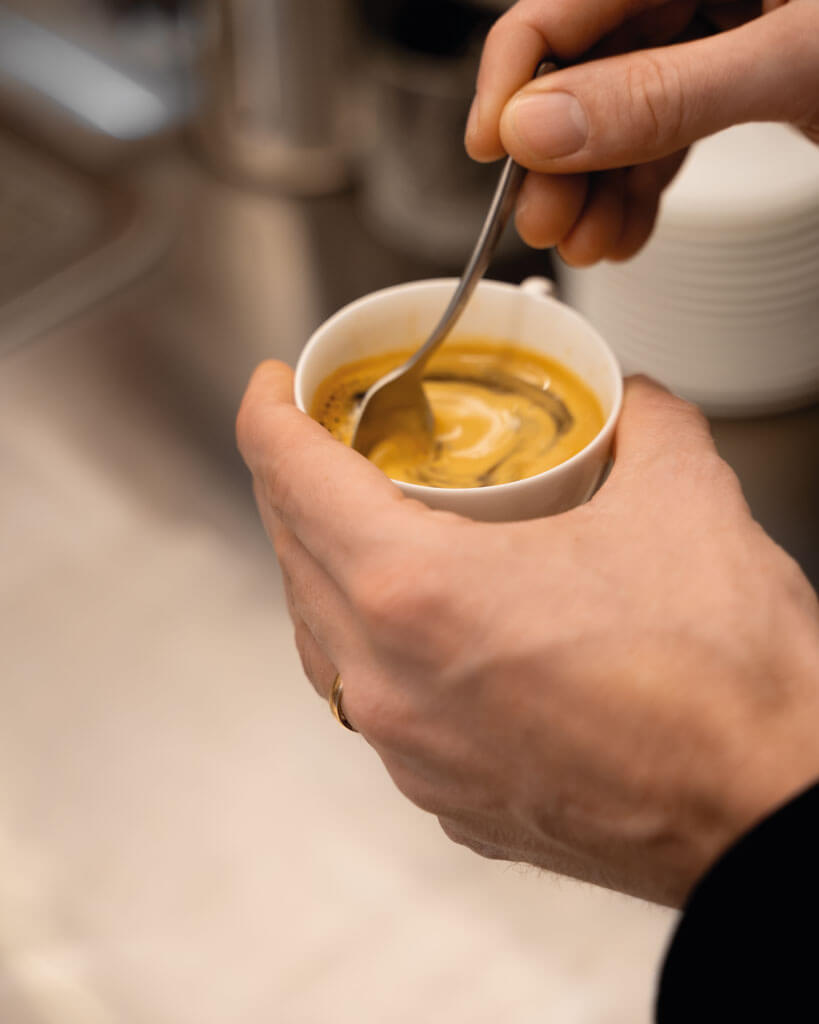
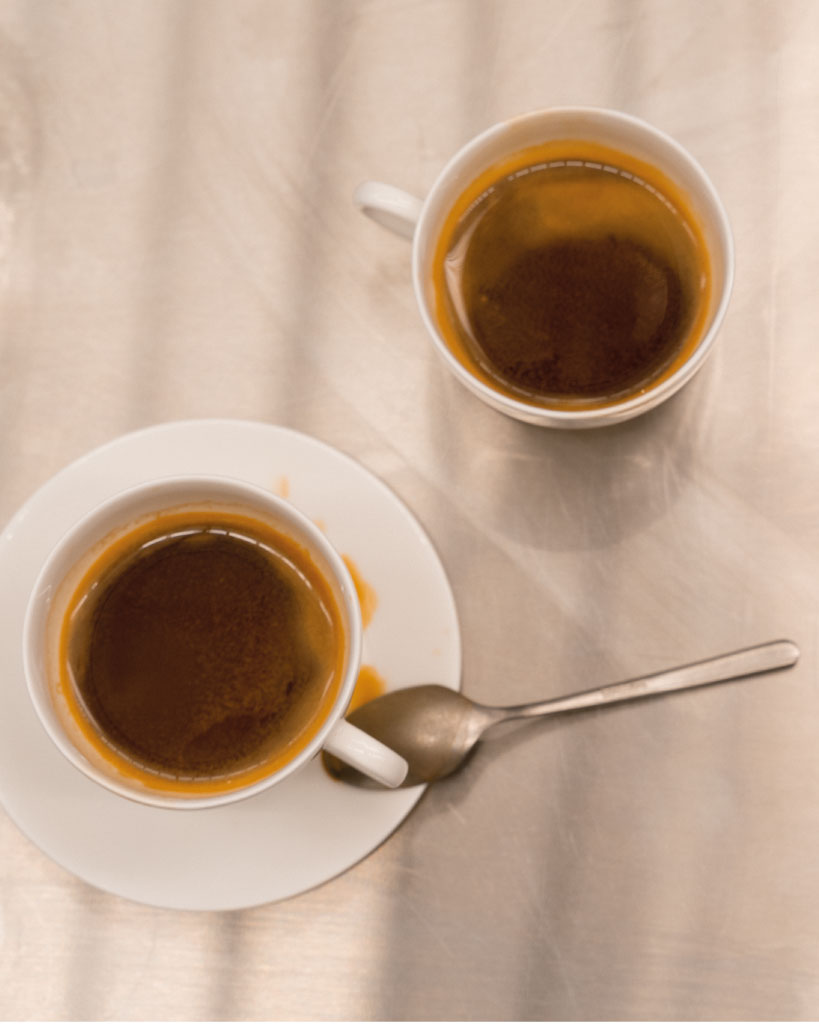
Before drinking, stir your espresso a few times with a spoon to ensure it’s well mixed. Espresso separates after extraction: the heavier, syrupy components settle at the bottom, while the lighter components rise to the surface.
The crema is an indicator of freshness and helps retain the aromas in the cup longer, but its bitterness can affect the overall flavor of your espresso.
The Importance of Maintenance for a Good Espresso
The quality of your espresso depends heavily on the condition of your equipment. Check the condition of your coffee maker and brew group regularly.
If your coffee doesn’t taste as good as it used to, start by inspecting your equipment and cleaning it:
- Remove and clean the Filter your machine.
- Remove the Filter the percolator and clean it.
- Focus on the inside of the device rather than the outside.
A Brief History of Espresso

Espresso has a rich history dating back to the late 19th century. The first patent for an espresso machine was filed in 1884 in Turin, but the machine was never brought to market. It was Luigi Bezzera who took up the torch by patenting a model in 1901, before selling the patent to Desiderio Pavoni. The latter, after adding a pressure relief valve and a steam nozzle, presented the machine at the Milan Fair in 1906, heralding the invention of “caffè espresso.”
Although it was fast compared to other methods of the time, this machine was essentially just a boiler that did not generate enough pressure for a true espresso extraction.
The major breakthrough came in 1946 when Achille Gaggia introduced the spring-loaded lever, improving both pressure and speed. In 1961, Ernesto Valente (Faema) incorporated a motorized pump into the espresso machine, maintaining pressure while using tap water: the modern espresso machine was born.
In 1970, La Marzocco patented the GS model, which marked a major innovation in the history of espresso machines. This pioneering model introduced a dual-boiler system, allowing one boiler to generate steam independently without affecting the temperature of the second boiler, which remains ideal for coffee extraction.
Making a good espresso at home is an art that requires patience, precision, and practice. But with the right equipment, a well-honed technique, and high-quality ingredients, you can easily enjoy a cup of coffee worthy of the best cafés. Feel free to experiment and adjust your method to suit your personal preferences. After all, the best espresso is the one that perfectly matches your taste!
We highly recommend the excellent James Hoffman, whose YouTube channel offers in-depth video content that explains everything there is to know about espresso.